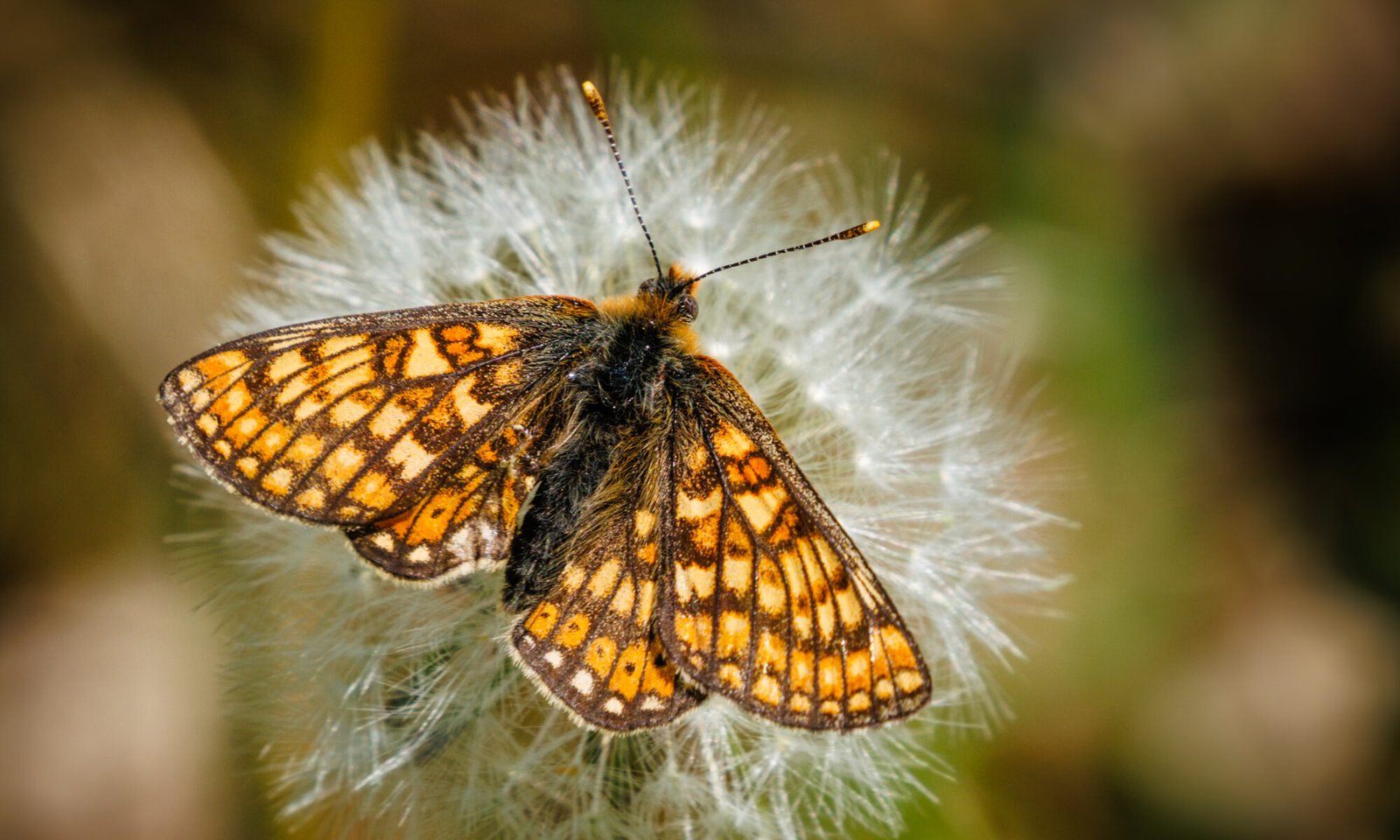
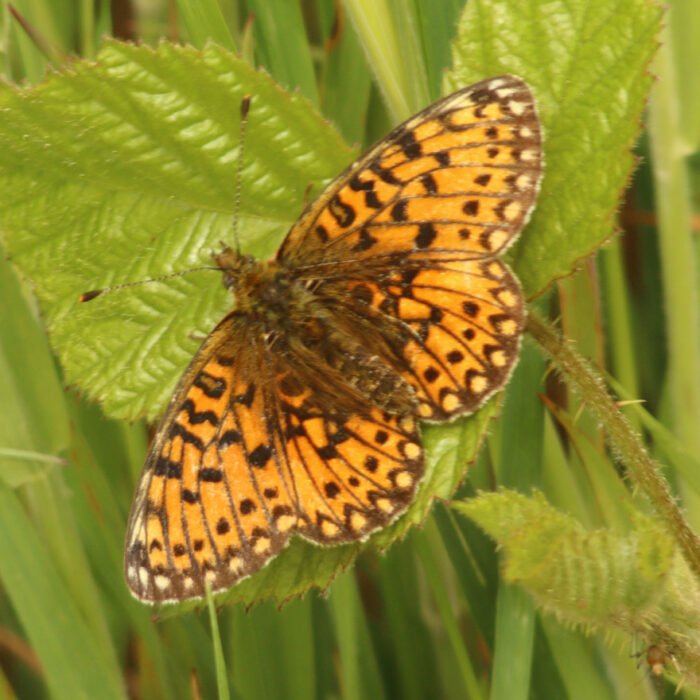
We are working to save some of Britain’s rarest butterflies. Our priority area contains two colonies of marsh fritillary butterflies. They have become isolated, due to habitat loss between the two sites. We have started to improve habitat connection between the two sites, by providing 10,000 Devil’s-bit scabious (Scabiosa succisa) plants which were planted in the area between the two colonies in 2025.
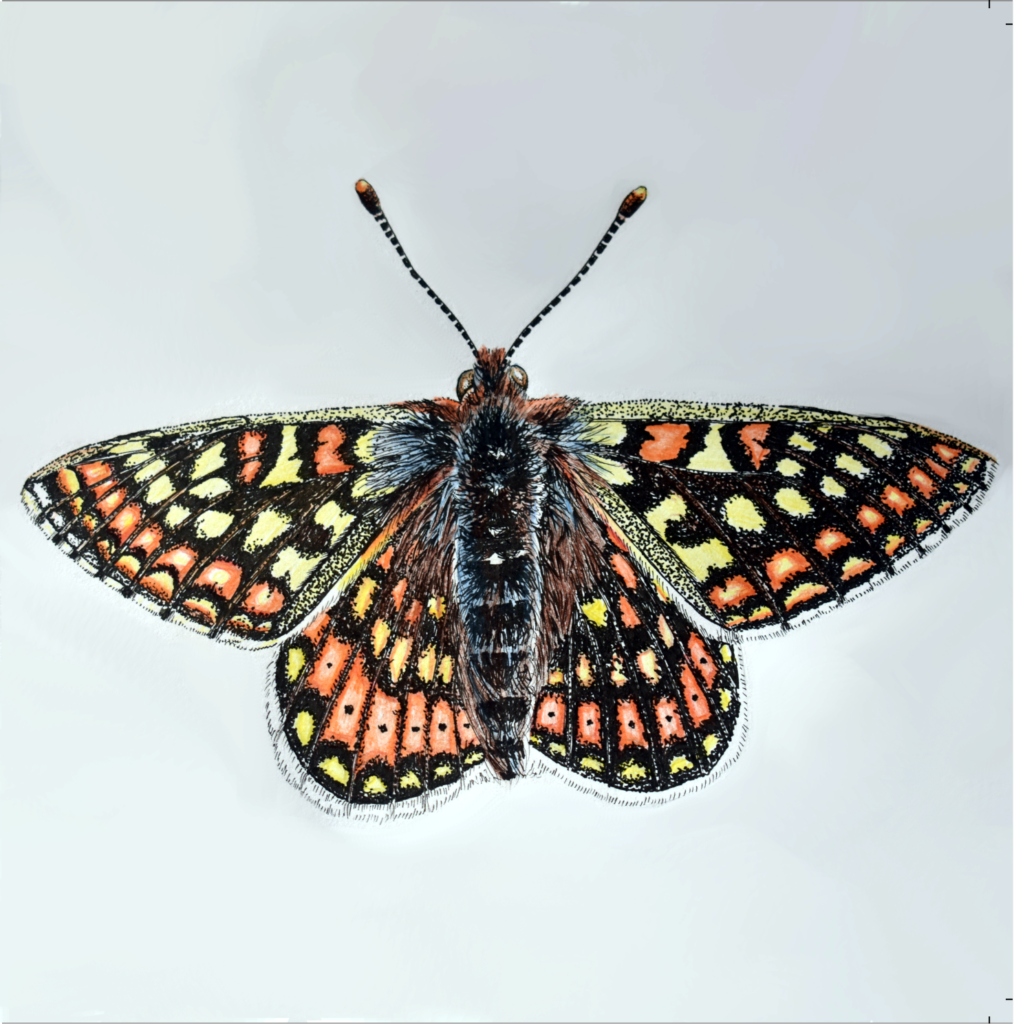
Habitat loss and particularly lack of availability of Devil’s-bit scabious is the biggest threat to marsh fritillary butterflies. The two colonies in our priority area are 5 km apart. One is on Knowstone Outer Moor and one is on Witheridge Moor. The butterflies can only fly 50 to 100 metres in one go. Most of the land between the two colonies is not suitable habitat, due to a lack of their foodplant (Devil’s-bit scabious) and a lack of long grass for the caterpillars to hide and hibernate in. This area used to be dominated by species-rich, culm grassland, which allowed marsh fritillaries to migrate freely between colonies. Modern farming techniques have removed most of their habitat and now we have isolated colonies, rather than a healthy meta-population.
Planting Instructions
Ideally the Devil’s bit scabious would be planted in damp, tussocky areas which are lightly grazed with cattle to achieve a varied sward of between 8cm and 30cm.
Clearly most planting sites will not be ideal, so these notes are designed to allow you to create the best habitat you can within the constraints of a particular site.
It is best not to plant in areas which are heavily grazed, or grazed with sheep or horses, although land that is lightly grazed with native ponies is fine.
Plant in full sun or partial shade.
Marsh fritillaries prefer wet ground, so if you have a damp area to plant them in, that would be great.
If the grass around them is too vigorous it can shade them out, so cut back any grass which is directly shading them if you can.
The caterpillars nest in tussocks or clumps of long grass, so leaving uncut grass near the plants will help to create the right habitat.
Plant the plugs at least 30cm apart.
Try to water them if we have a drought next year.
Don’t use any chemicals, such as herbicides, fungicides or pesticides near the plants, (or preferably anywhere).
Slugs and snails can eat them, so if you have time and inclination, picking slugs and snails off them would be great.
They should flower late summer next year and in 2-5 years they will reach full size.
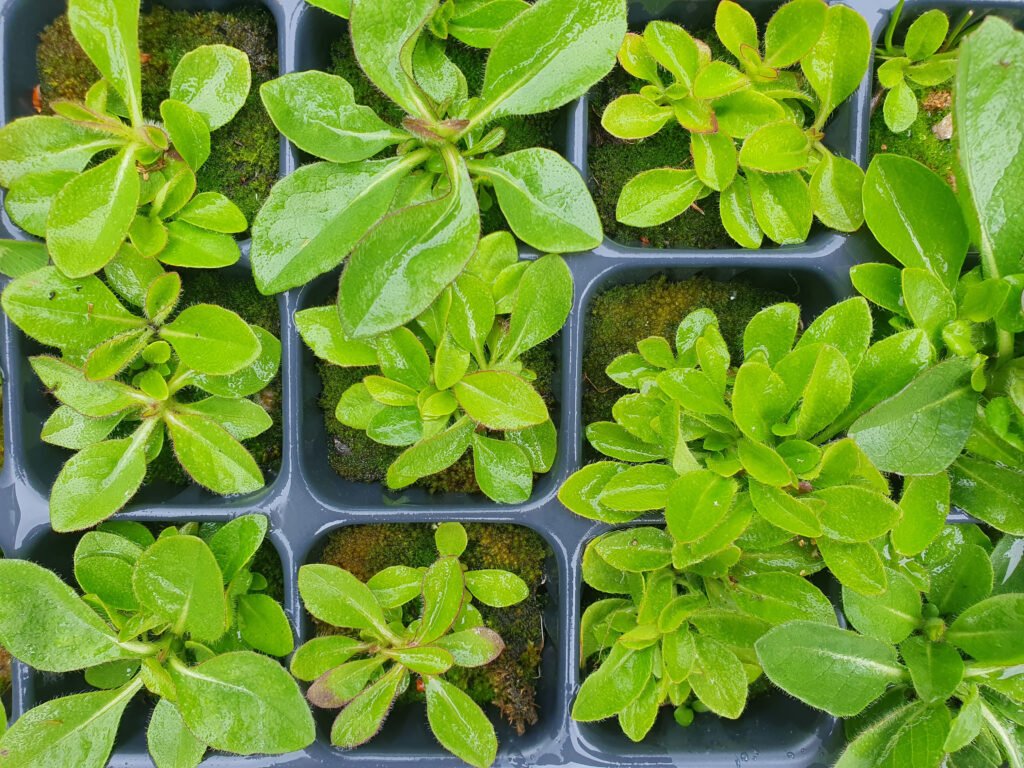
We commissioned a local business to grow 10,000 Devil’s-bit scabious plants to create habitat between the two isolated colonies. We gave these plants away to anyone who could plant them within our priority area. Some went to farmers, to plant on rough grassland and field margins. Some went to residents of the area, to plant in their gardens. Some was planted on our Nature Reserve, which is called Higher Comfort Nature Reserve and some was planted on Rackenford Common.
Jenny Plackett, Conservation Manager for South West England at Butterfly Conservation, said: “The Marsh Fritillary is one of our most threatened butterflies in the UK, and the culm grasslands in North Devon are a stronghold. Planting the caterpillar foodplant, Devil’s-bit Scabious, in areas of damp grassland between the existing breeding areas, will create important stepping stones to help the butterfly move throughout the landscape, which is really important in maintaining a strong population. We’re delighted that the Devon Culm project will be working with local schools and communities, encouraging everyone to value these beautiful butterflies and the rare habitats on their doorstep.”
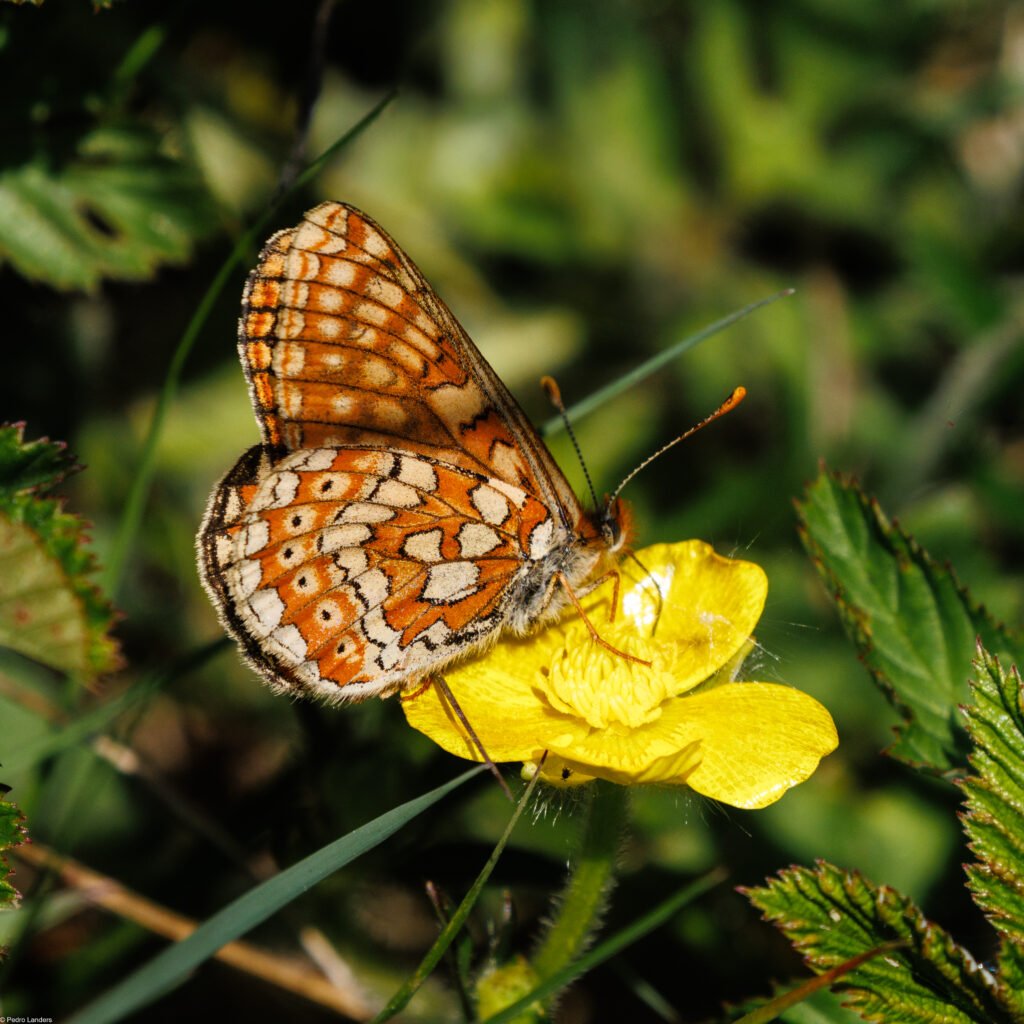
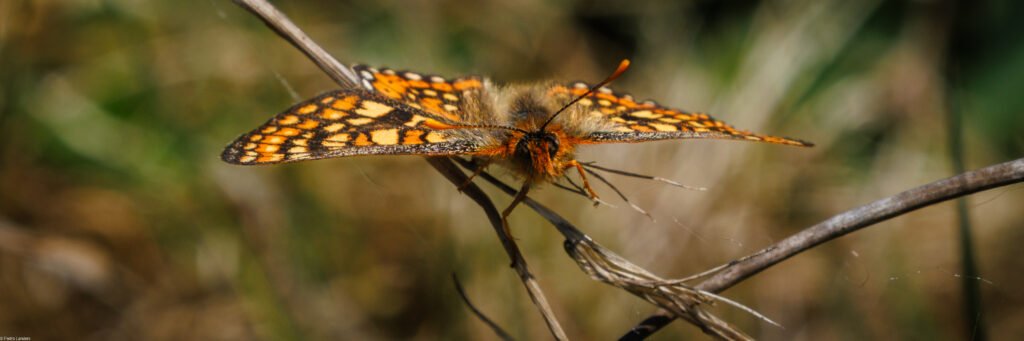
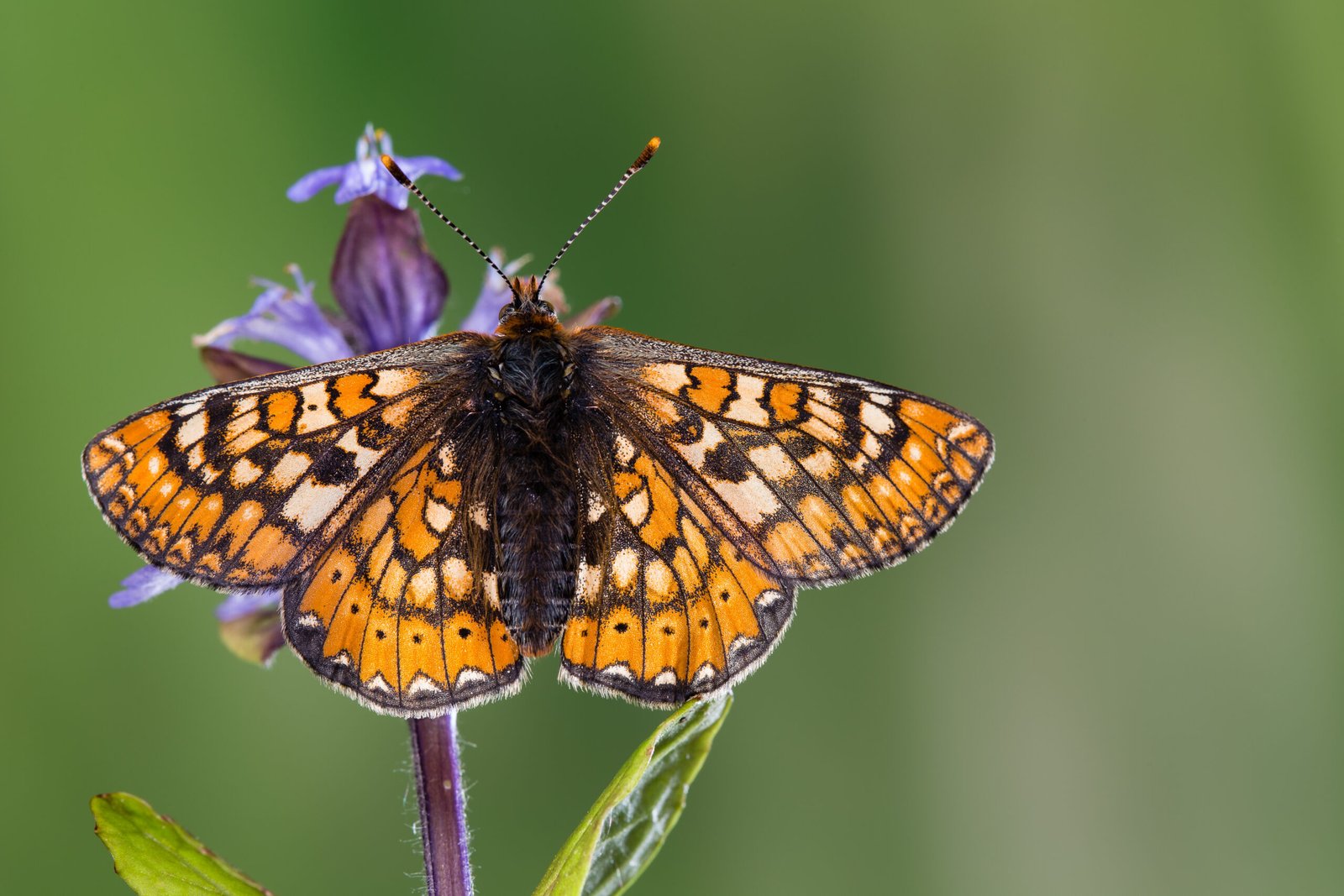
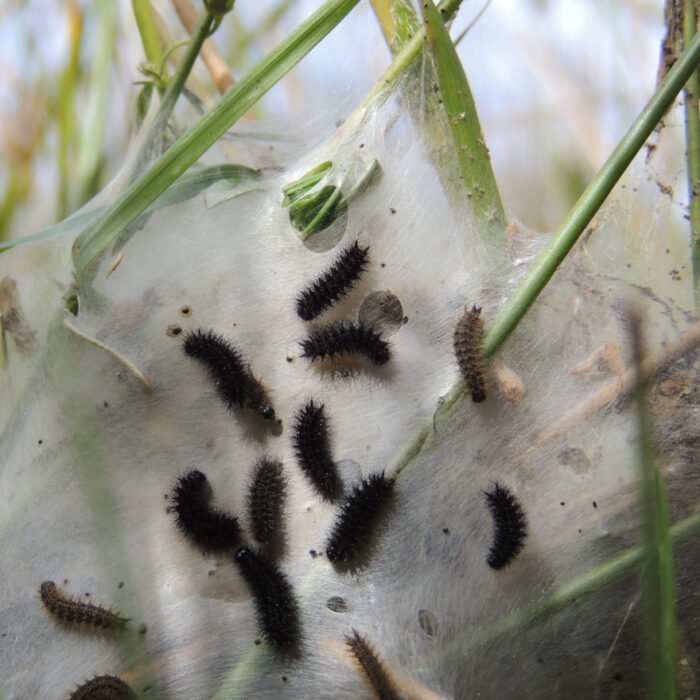
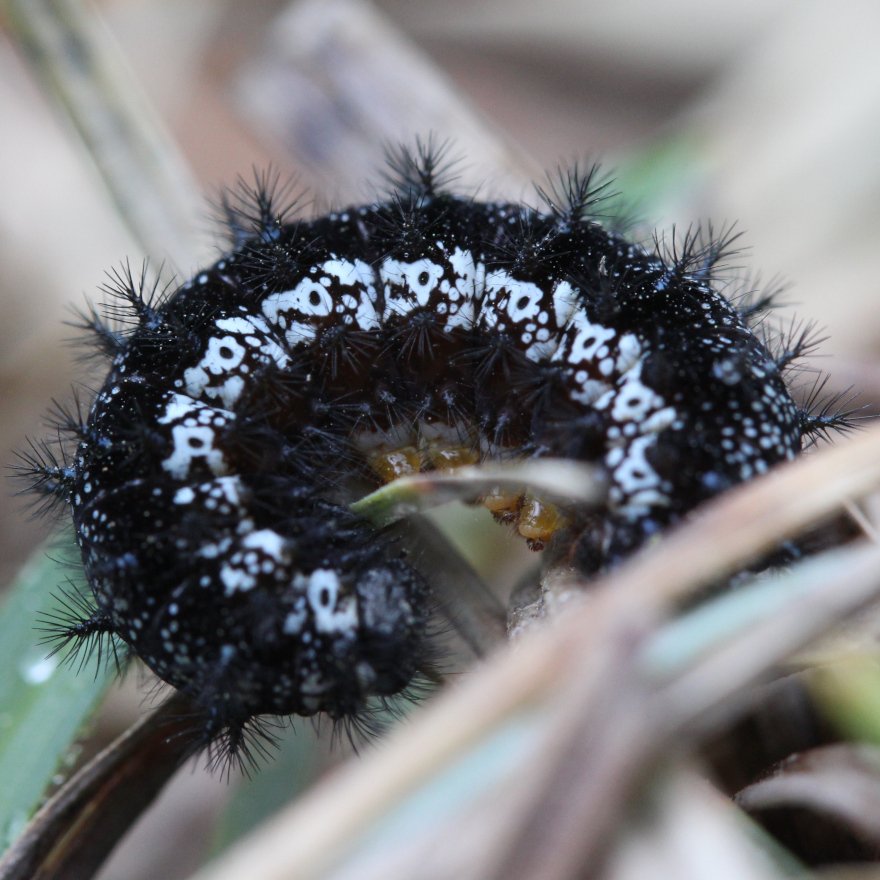
As well as their foodplant (Devil’s-bit scabious), marsh fritillaries need long grass for the caterpillars to hibernate in. Female marsh fritillary butterflies will choose larger, greener plants to lay eggs on, so clumps of Devil’s-bit scabious are more attractive than single plants. If the grass is too short, it leaves the caterpillars exposed to predators. If it’s too long, it shades out the Devil’s-bit scabious and makes it difficult for the butterflies to locate it to lay their eggs. A tussocky sward of 8cm to 25cm tall on wet ground is ideal. The caterpillars require a large amount of Devil’s-bit scabious to eat when they emerge from hibernation, so the more we can plant out, the better. One of the big factors affecting the survival of marsh fritillaries and insects generally is the use of chemicals, particularly insecticides. It is therefore important to avoid their use.
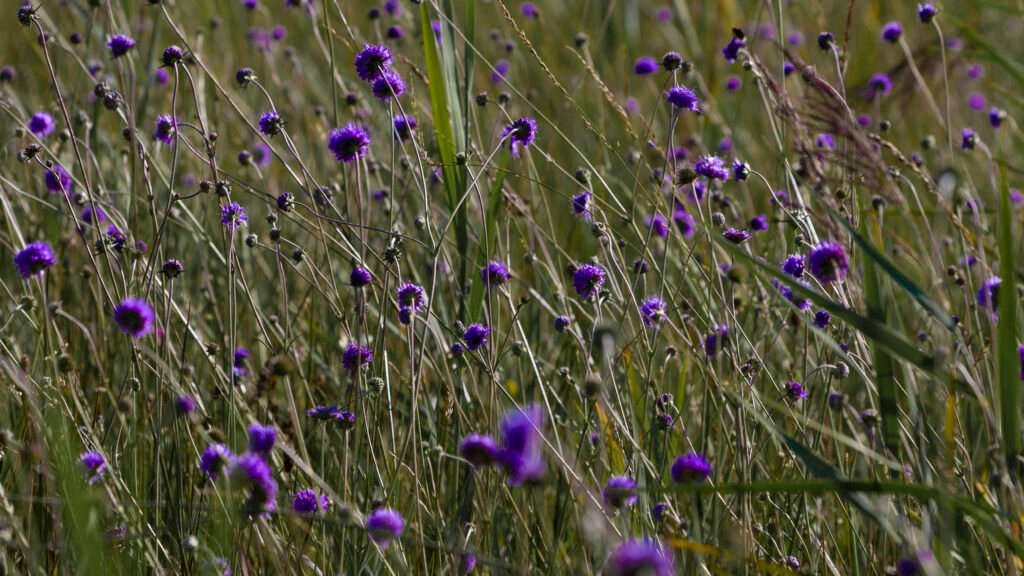
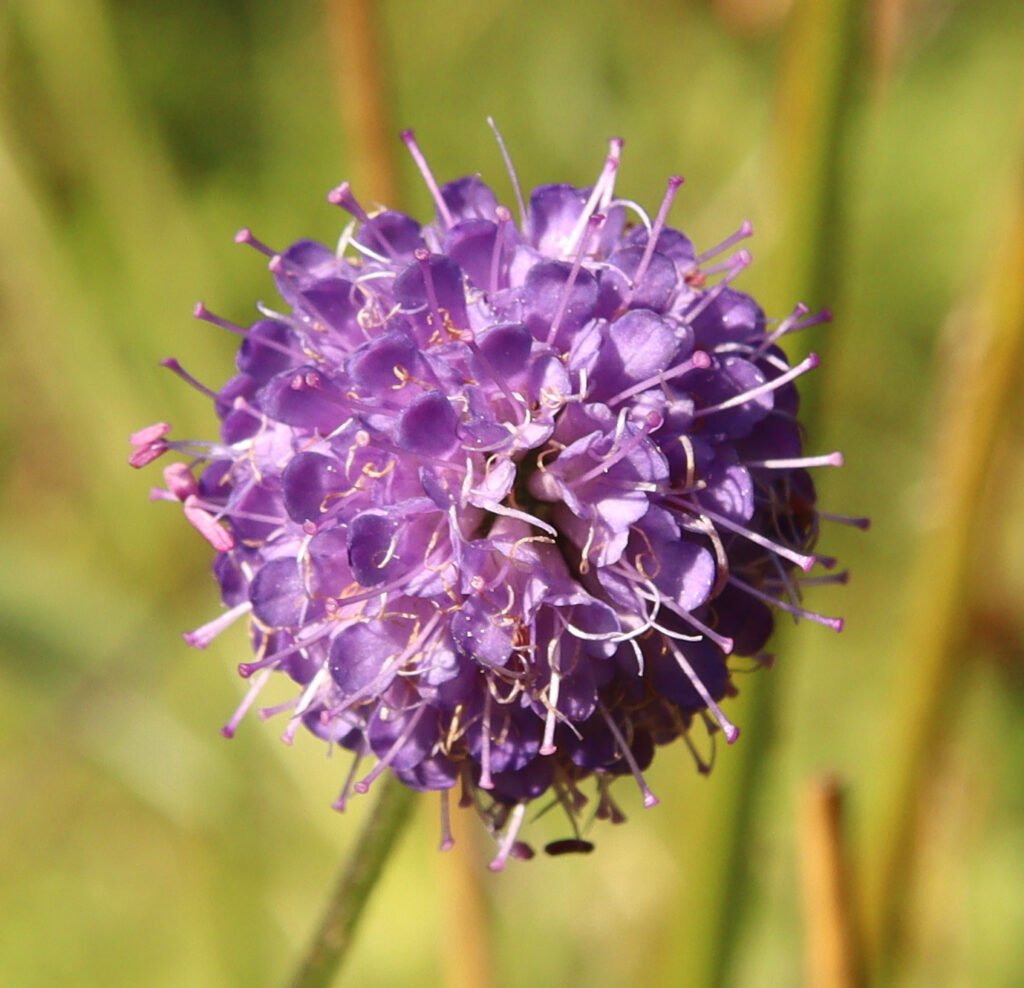
Devil’s-bit scabious is a perennial plant, which grows to approximately 60cm tall and produces beautiful purple flowers from June until October. It’s not a fussy plant. It flourishes in moist, but well drained soil in full sun or partial shade, but can survive in a wide variety of soils. It can be damaged by slugs and can be shaded out if grass growth is too vigorous. Extensive cattle grazing creates a really good structure for their establishment. In a garden, this can be recreated by cutting back grass around the plants in an irregular pattern, leaving some long and some short grass. Once the plug plants are planted, they will take 2 to 5 years to reach full size and we hope they will spread by seed, to create more valuable habitat in the area. The seeds are fairly easy to harvest if you wish to actively propagate more plants.
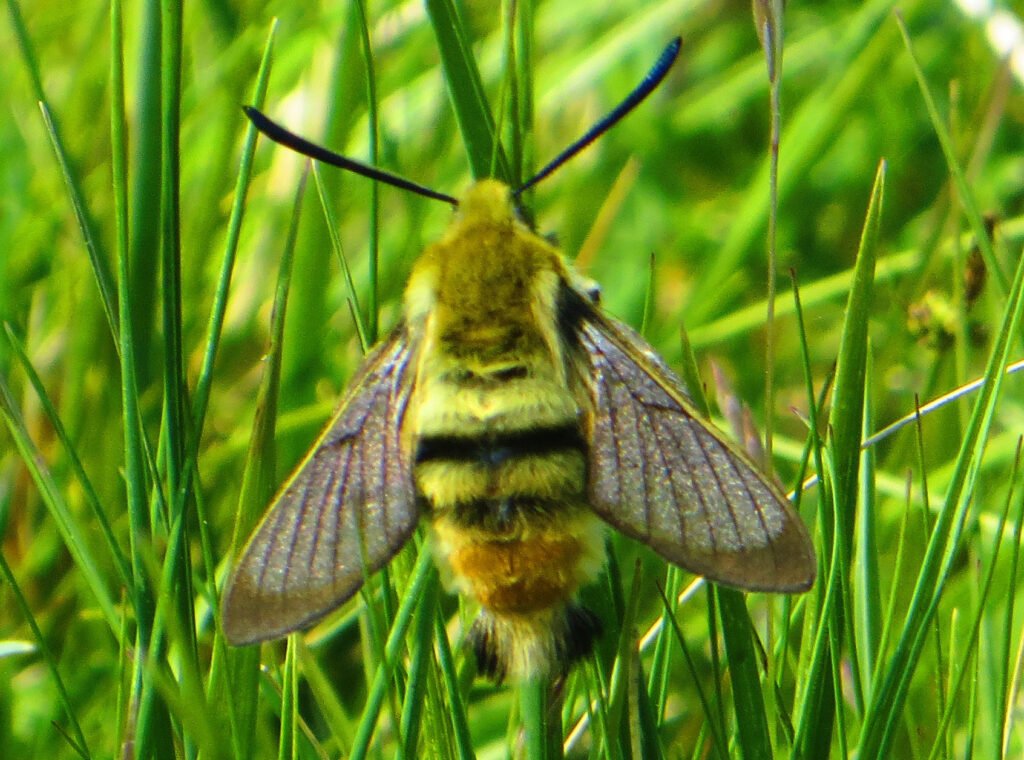
Narrow-bordered bee hawk moths, which are rarer than marsh fritillary butterflies, also rely on Devils-bit scabious. There is a healthy colony on Witheridge Moor. It is hoped that the Marsh Fritillary Project will help them to expand their range. As Devil’s-bit scabious is a late flowering plant, it provides nectar for pollinators at a time in the year when nectar is in short supply. This is especially important, due to climate change disrupting the seasons, risking pollinators being out when their normal sources of nectar are not available. Devil’s-bit scabious is also incredibly beautiful and planting 10,000 plants will enhance the natural beauty of this, already beautiful, area.
Mapping existing Devil’s-bit scabious
If you know of any Devil’s-bit scabious already growing in the area, please let us know by filling in this form. This will help us to create habitat strategically to fill in gaps in existing habitat.
Donating to Devon Culm
Paypal Donations
For PayPal donations, please click on the button.
This button can also be used to pay by debit or credit card.
Donations by Bank Transfer
For larger donations, or if you don’t use PayPal, you can donate by bank transfer.
Our bank details are:
Bank: The Cooperative Bank
Account Name: Devon Culm
Sort Code: 08-92-99
Account Number: 67265260
When donating by bank transfer, please fill in this form if you are a UK taxpayer and would like us to collect the gift aid on all qualifying donations you have made in the last 4 years and all subsequent donations until you notify Devon Culm otherwise.
Marsh Fritillary Life Cycle
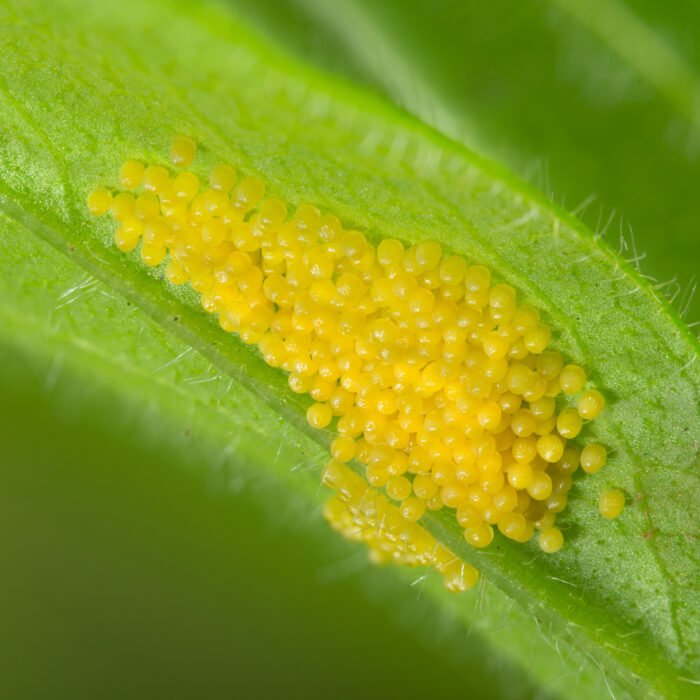 Eggs, are laid on Devil’s bit scabious plants, where they can be found from May to July They are laid in batches of 200-350 eggs. Over 1,000 eggs can be laid on a single devil’s bit scabious plant. 1,000 hungry caterpillars will quickly consume a devil’s bit scabious plant, so it’s important that there are other foodplants nearby. The eggs start off yellow and darken to purple-brown.

Devon Culm Priority Area
This Project Is Supported By