

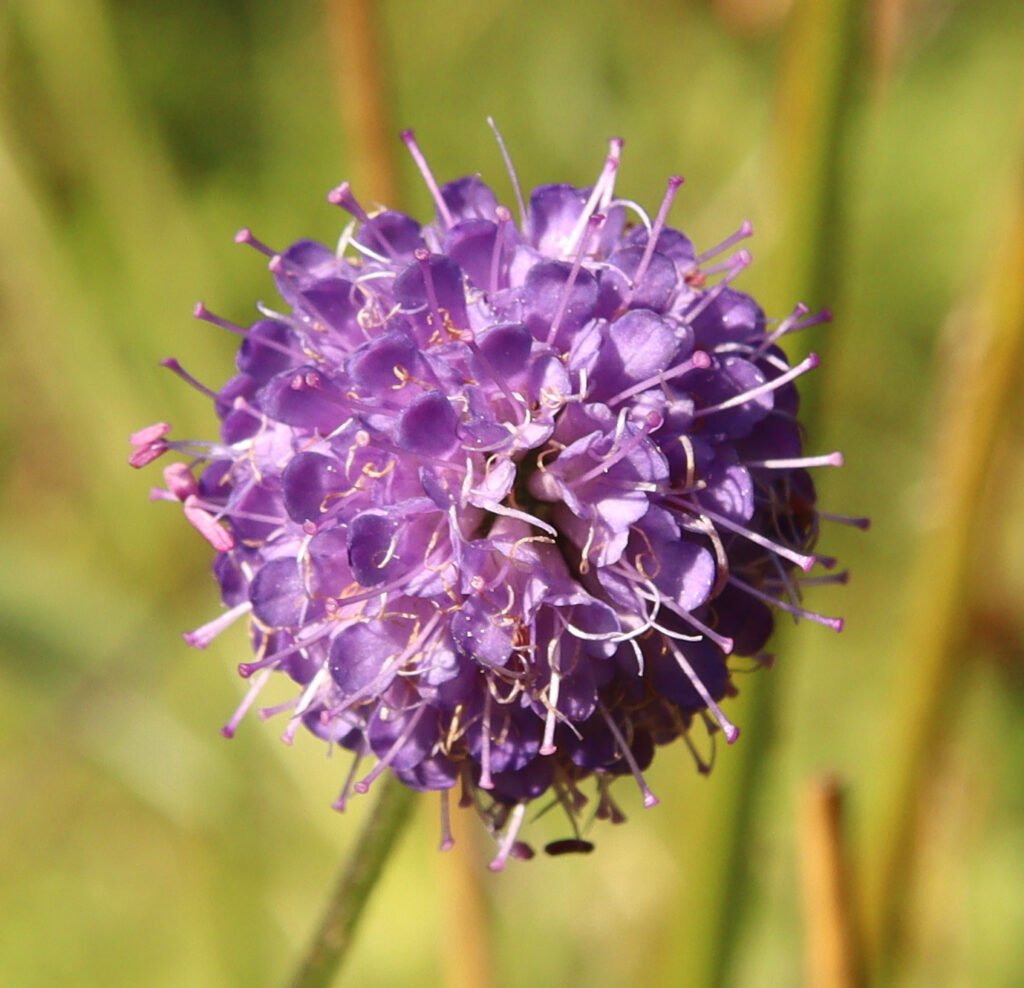
Collecting the Seeds
The seeds should be ready to collect in September or October.
Wait until the petals have fallen off and the seeds are showing
Rub them gently with your finger. If they easily come away from the seed head, they’re ready to harvest.
Take the seed heads and put them in a paper bag.
Rub the seeds away from the seed heads in the bag.
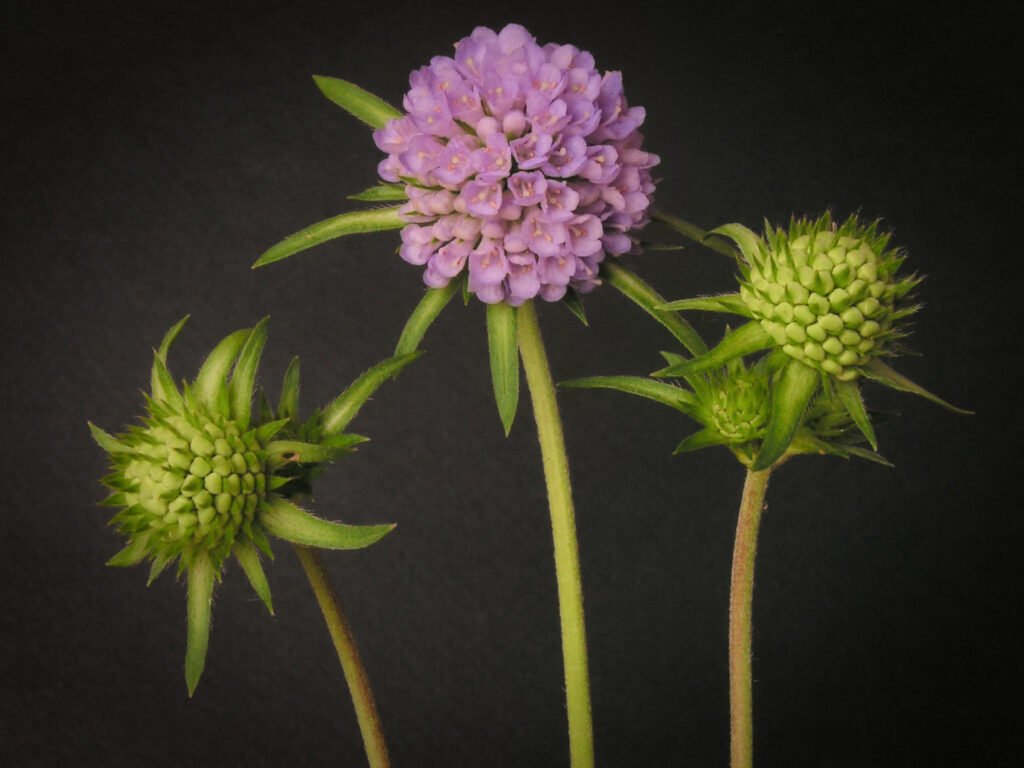
Planting the Seeds
The seeds should be planted as soon as possible after harvesting.
Find a patch of bare earth, or scrape the vegetation back to make a bare patch.
If cattle have been grazing on the land where you’re planting, their hoof prints are ideal.
Sprinkle the seeds on to the bare earth.
Sprinkle a very small amount of earth on top, or press them gently into the soil and water them if the weather is dry.
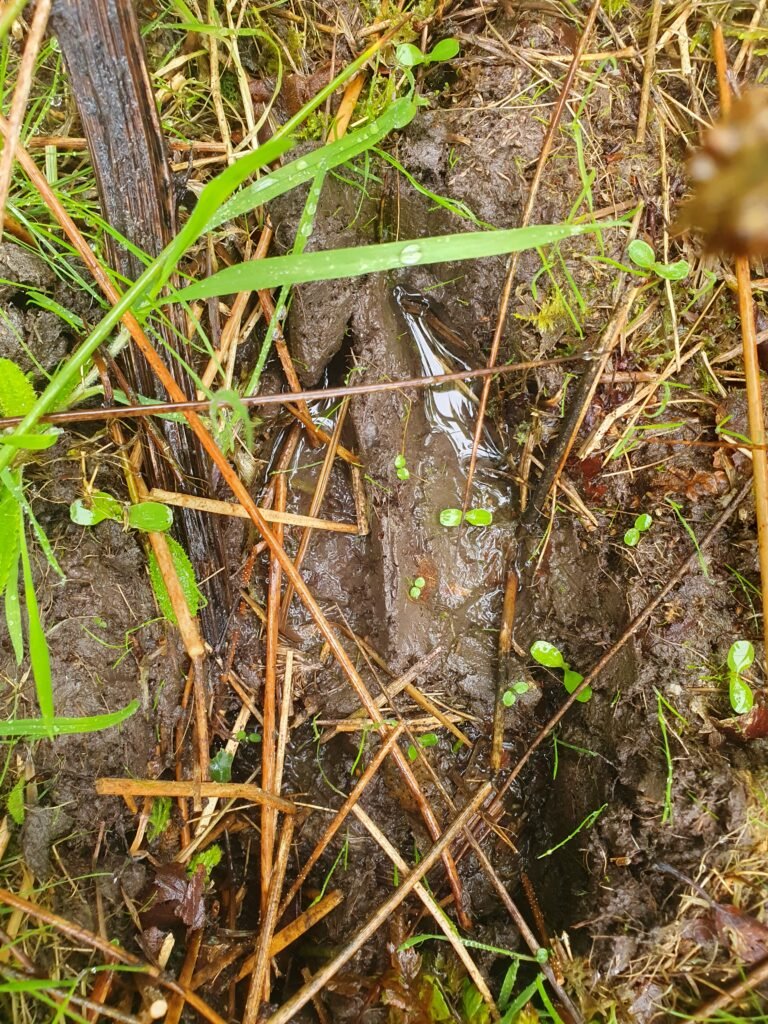
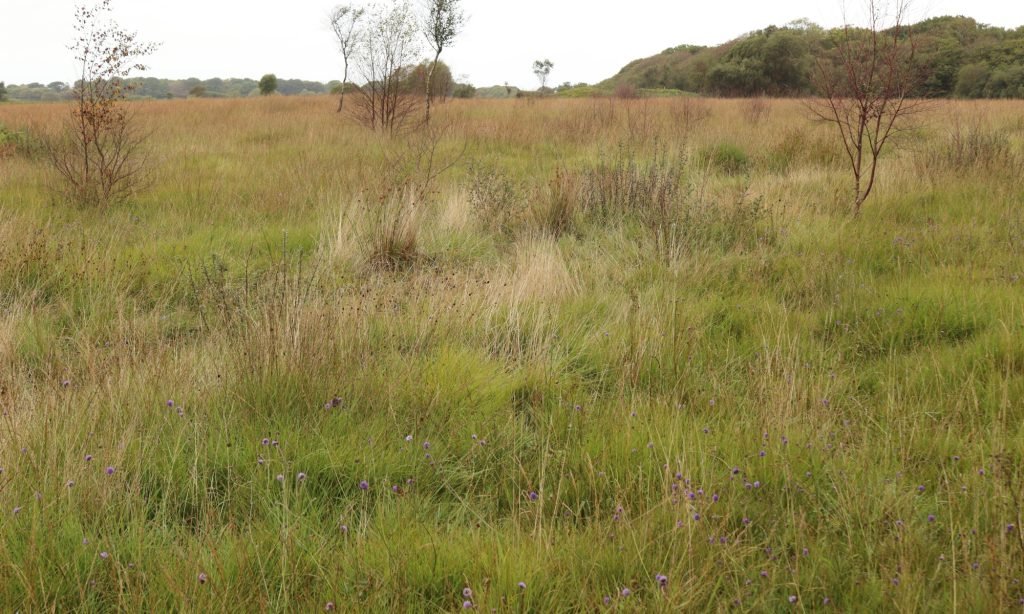
Where to Plant
Devil’s bit scabious will tolerate a wide range of soil conditions.
Marsh fritillaries like wet tussocky grassland. Increasing their populations requires more Devil’s bit scabious growing in wet areas with tussocky grassland.
Try to find places where the seeds won’t be completely submerged in water.
Avoid areas with really dense grass growth.
Aftercare
Devil’s bit scabious are fairly hardy plants, but some aftercare can increase their chances of survival.
Grass can shade out the young plants, so carefully cutting the grass back can help, but be careful not to damage the Devil’s bit scabious.
In very dry weather, it would be good to water the plants if this is practical.